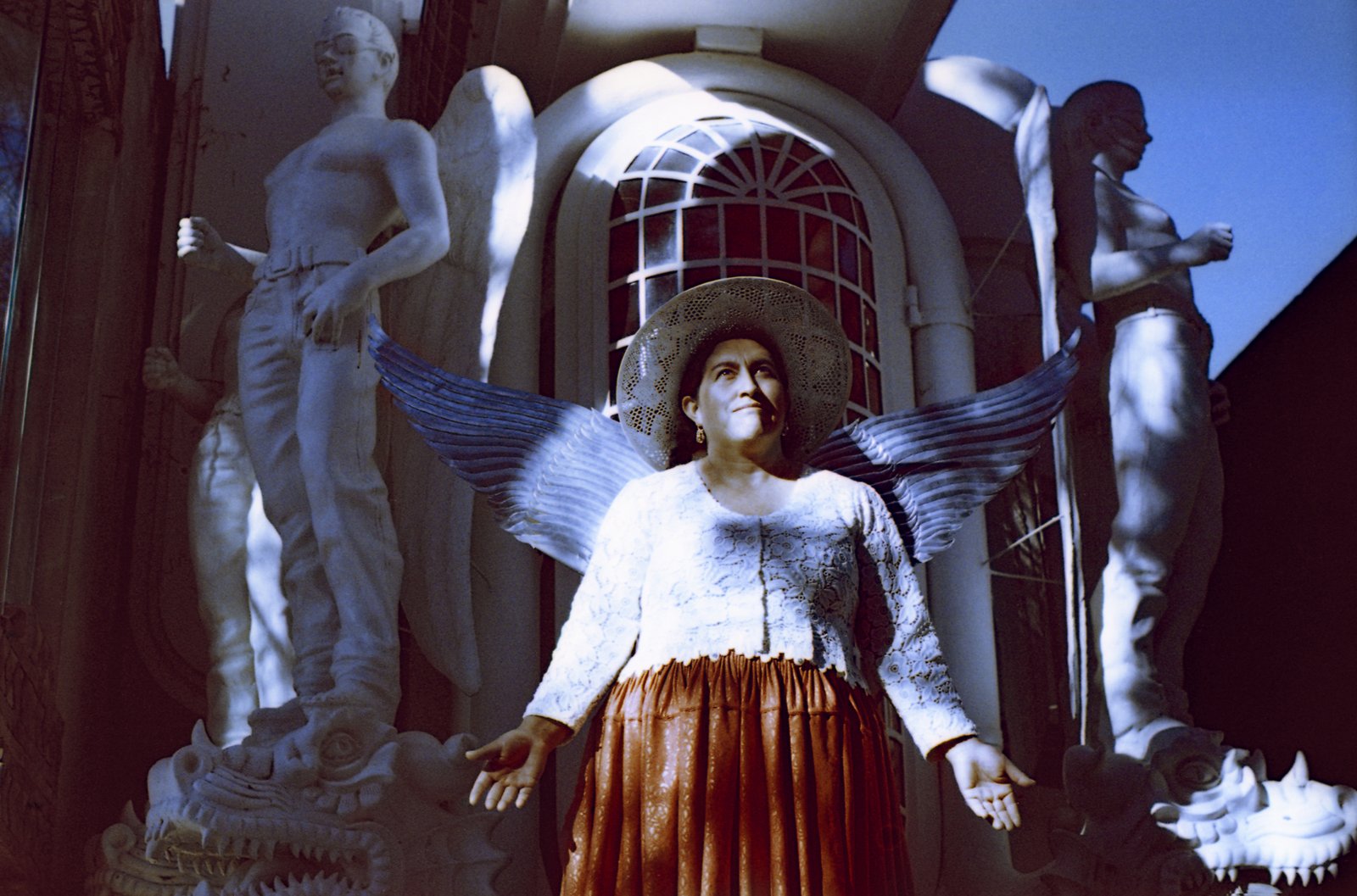
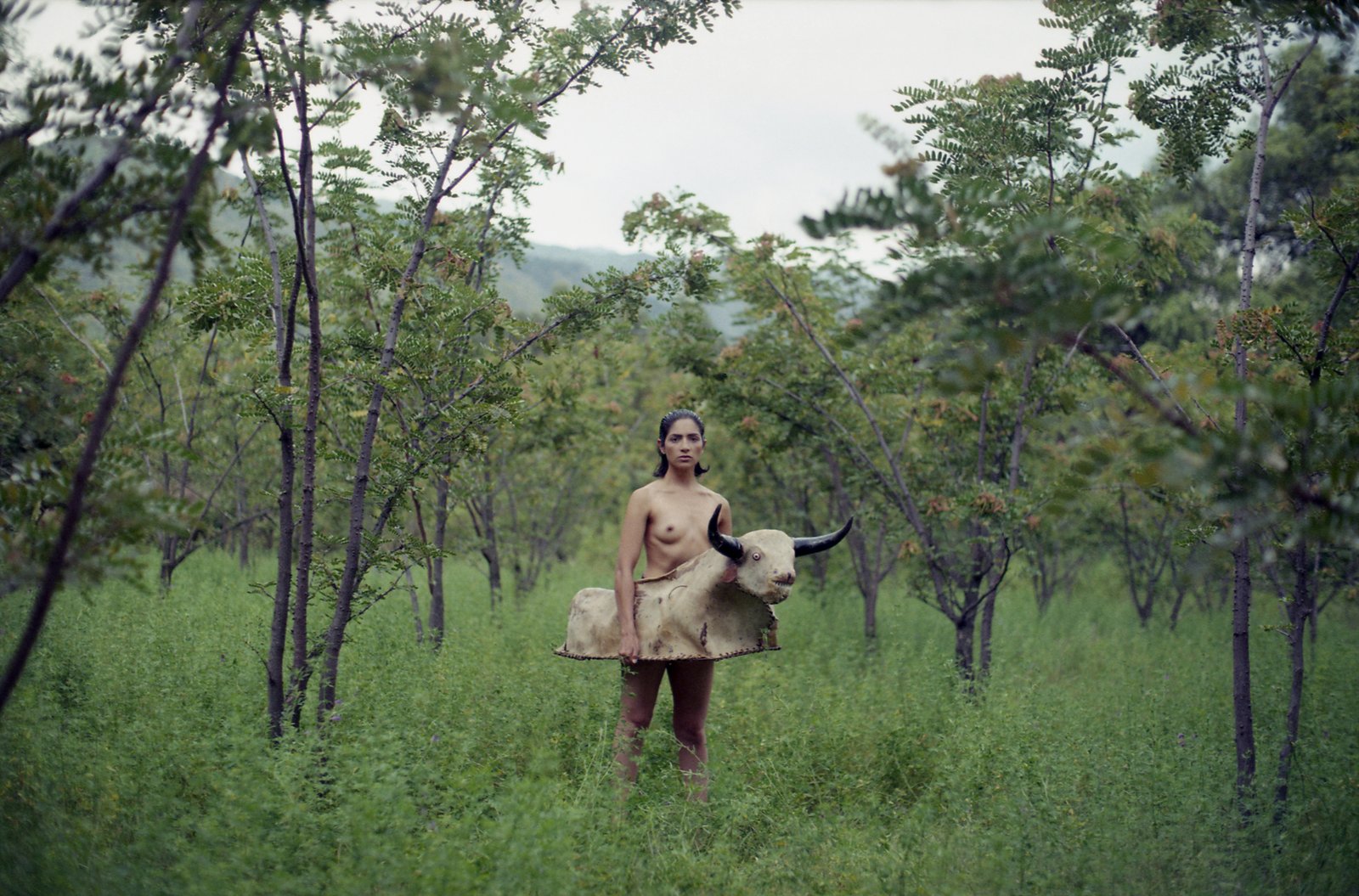
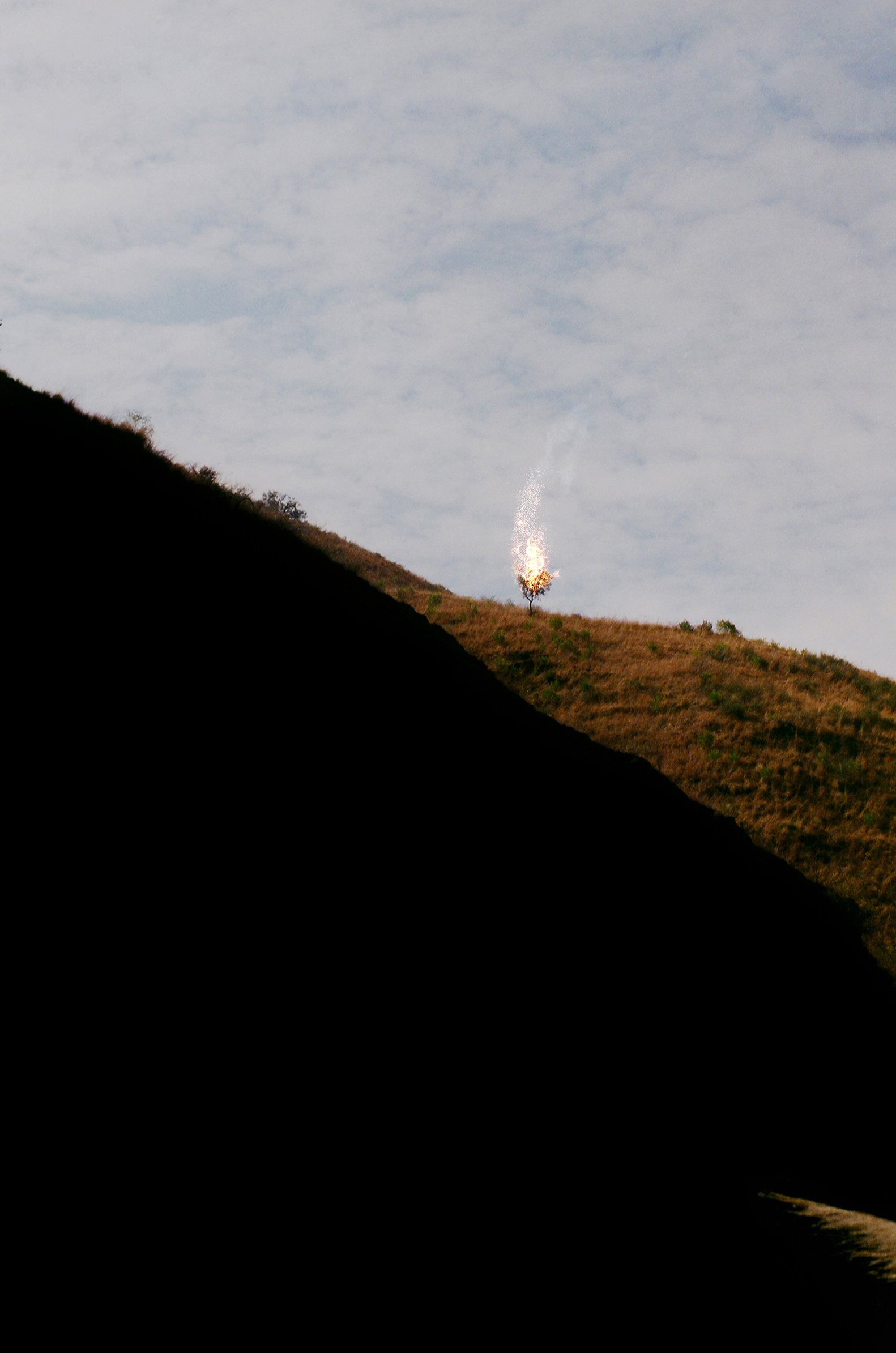
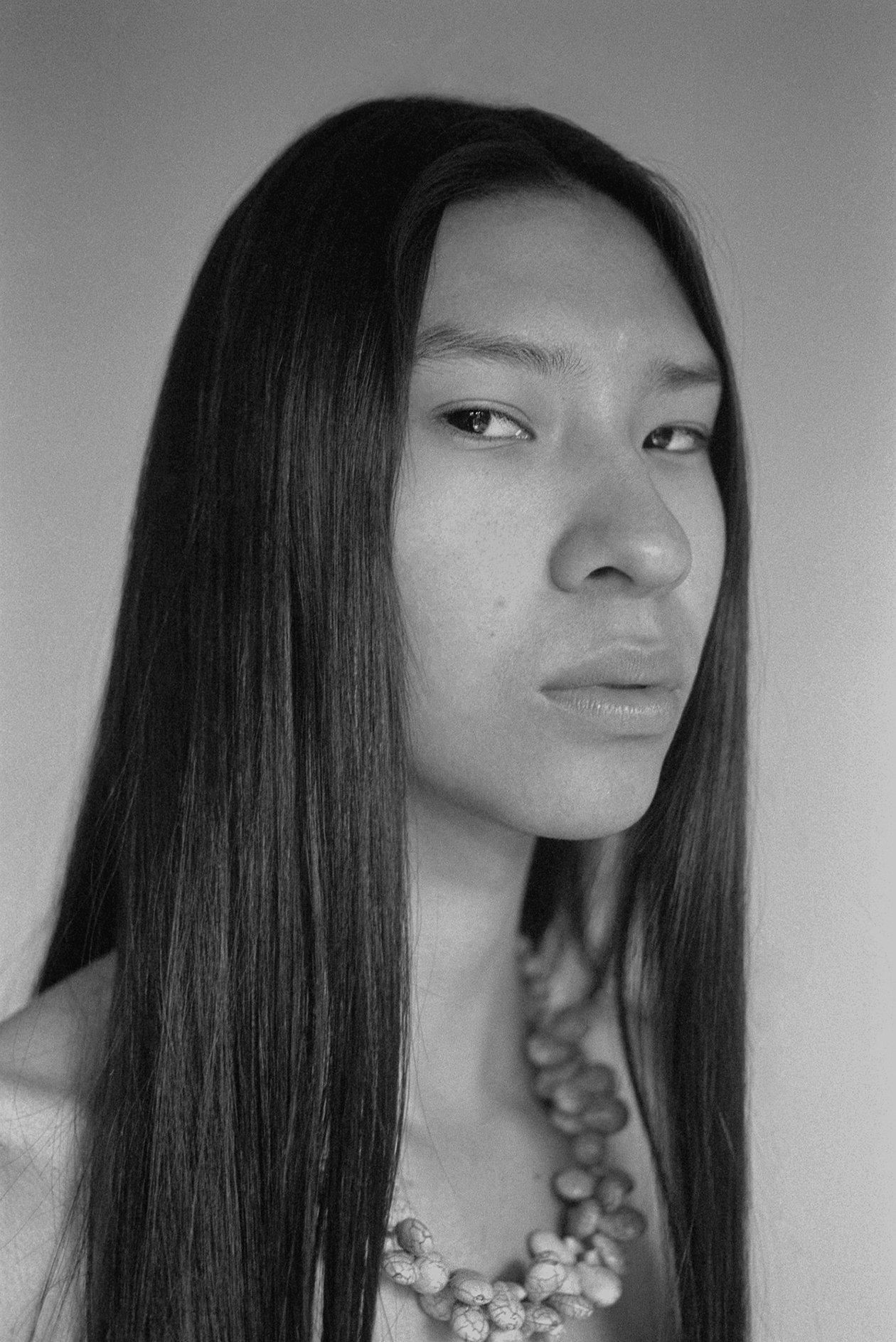
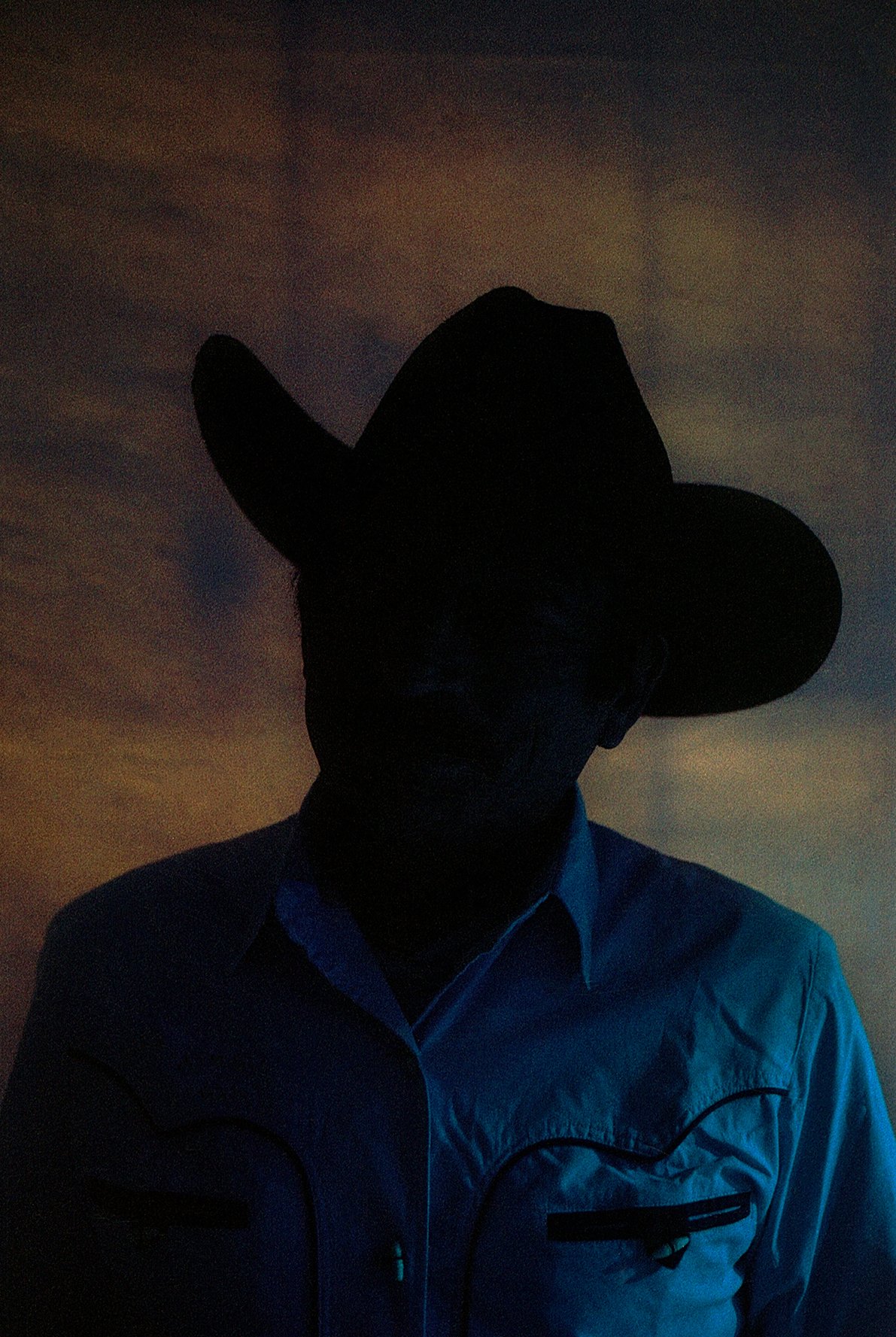
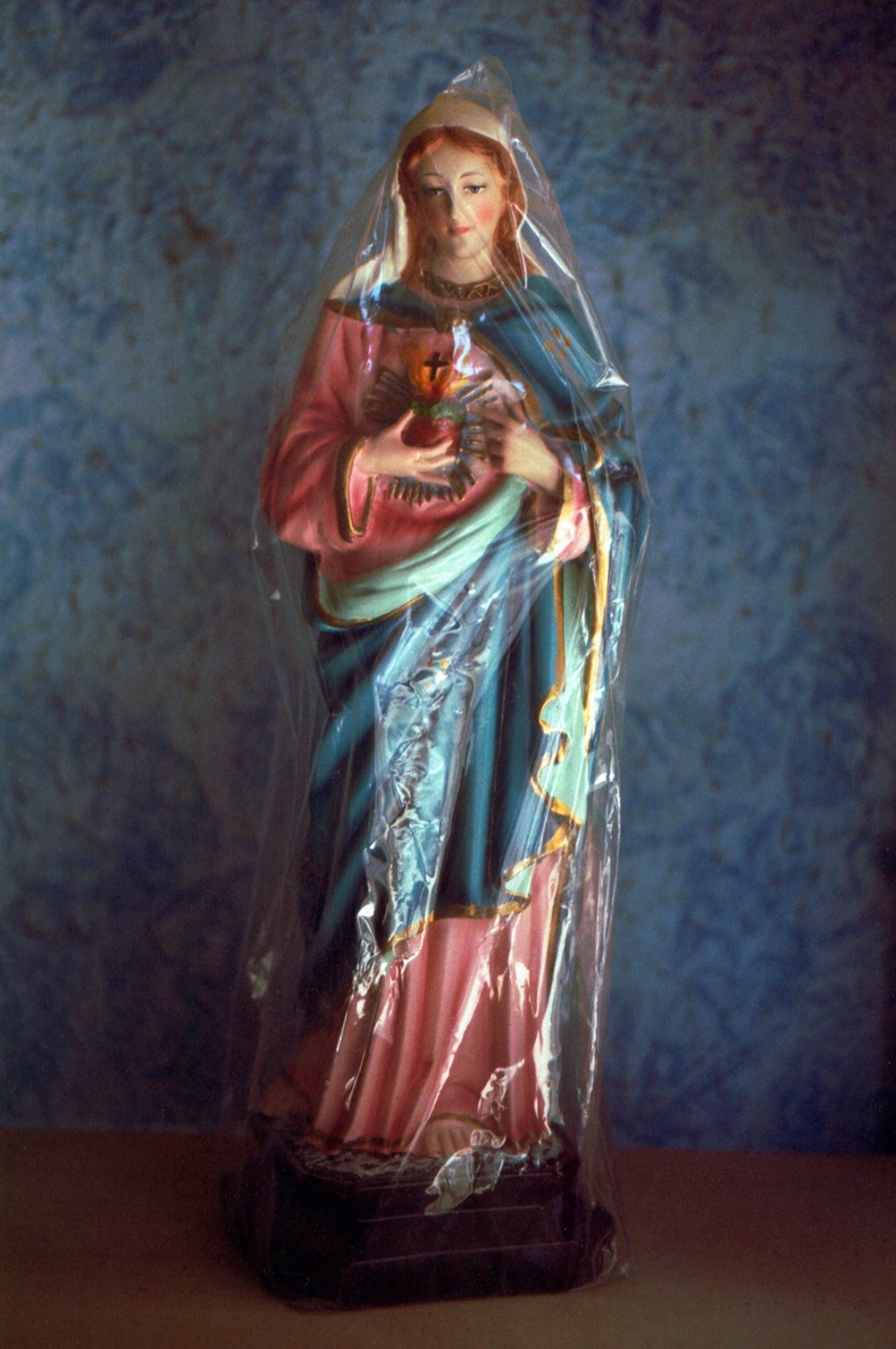
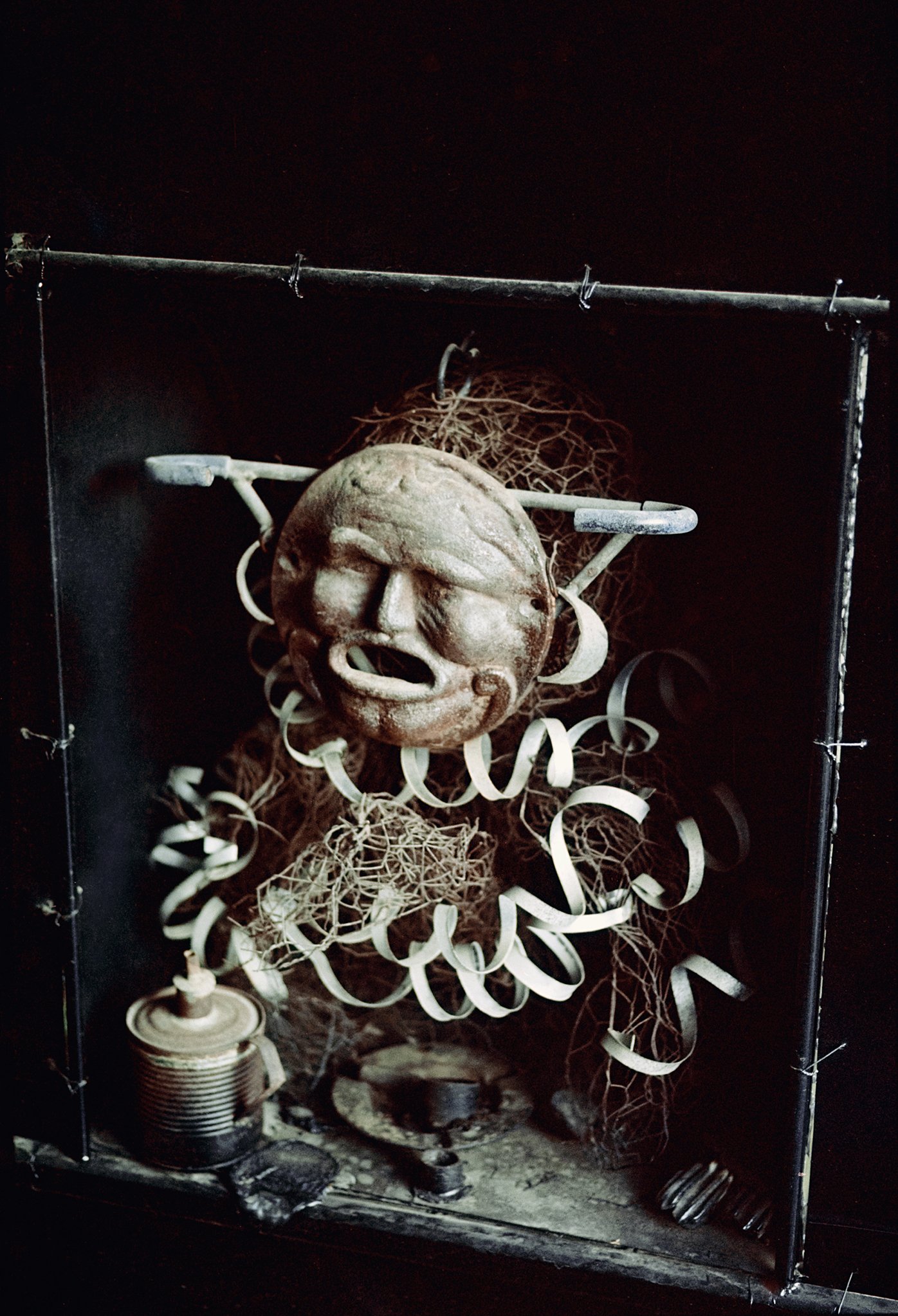
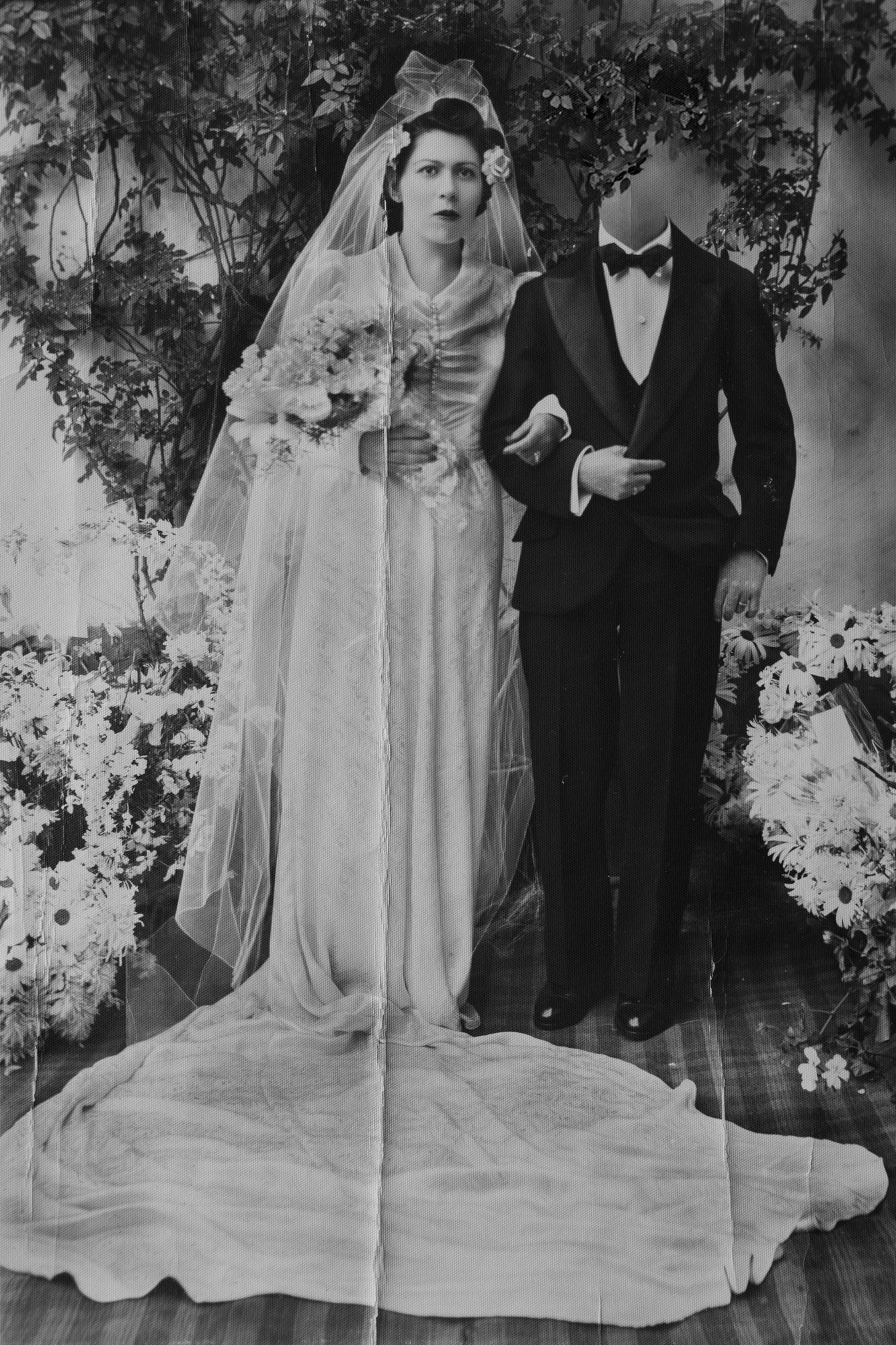
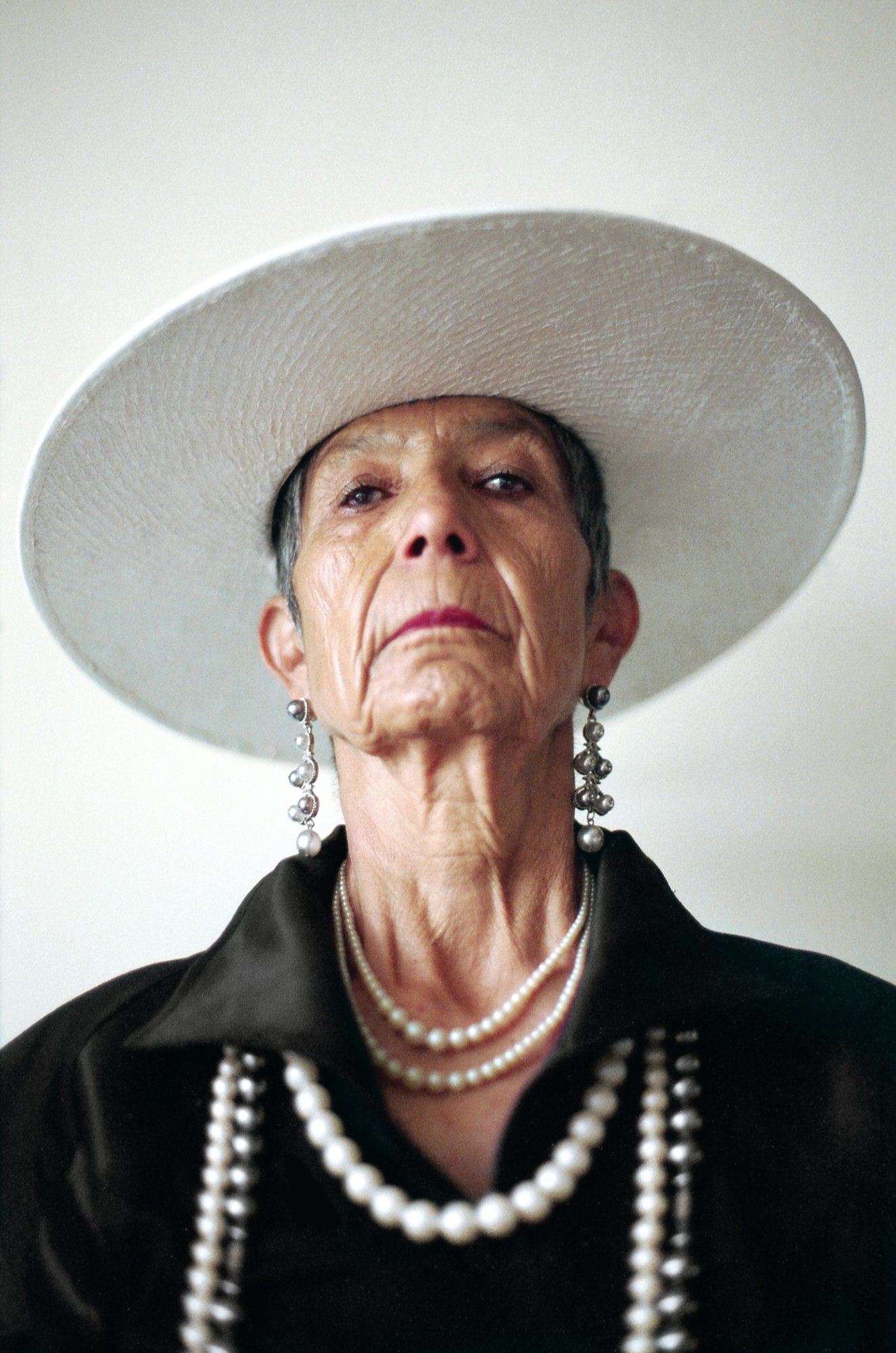
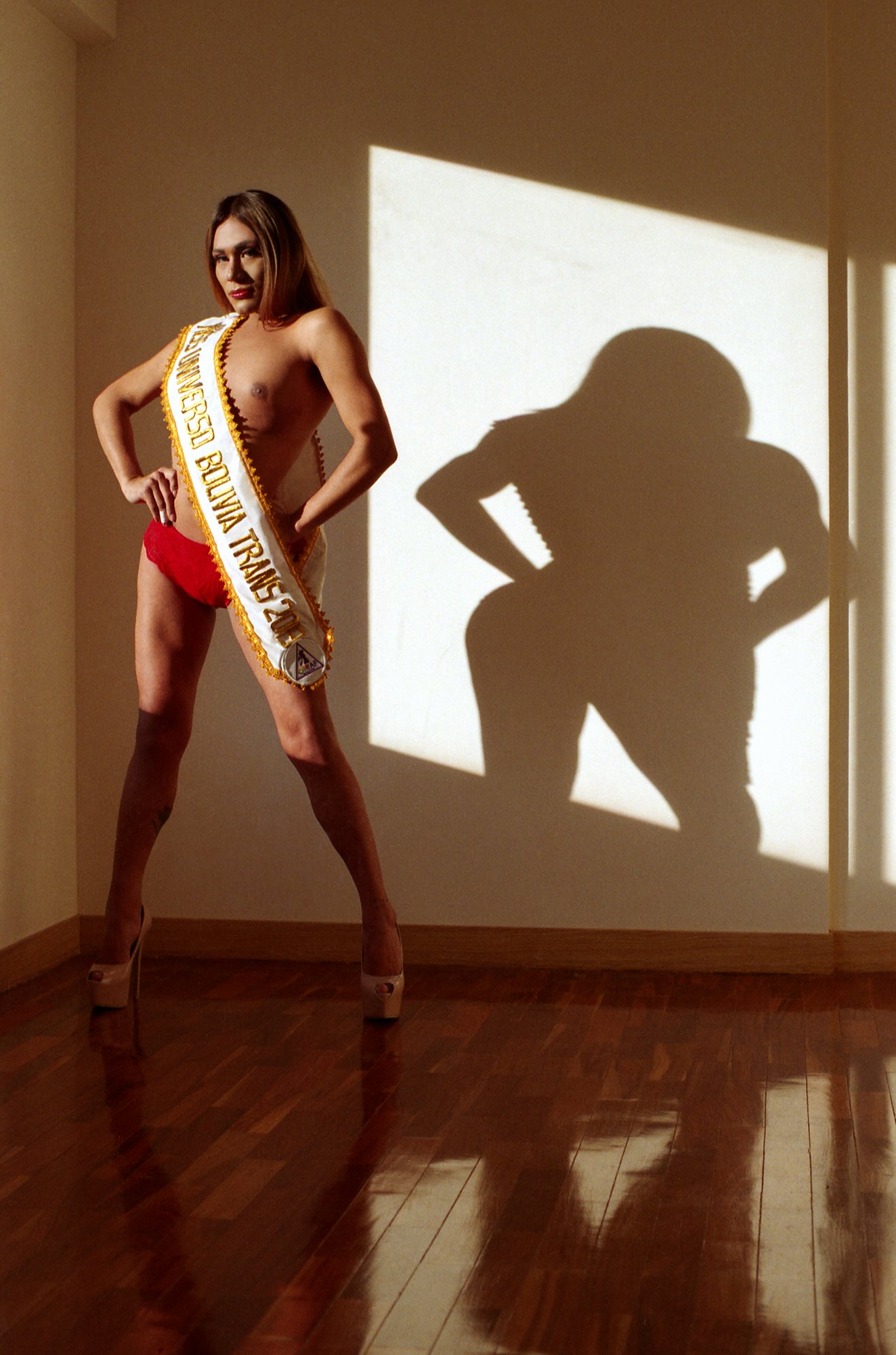
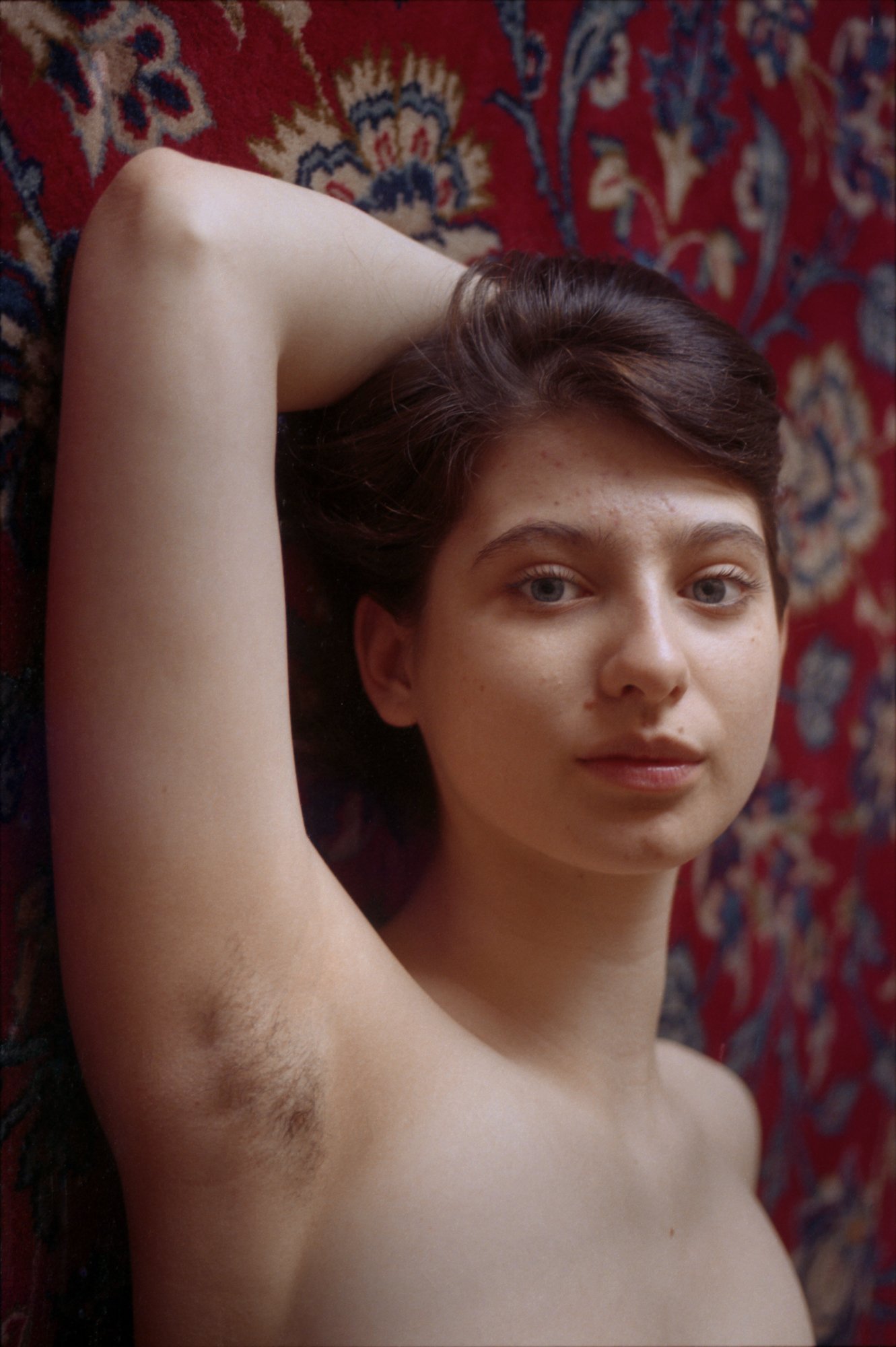
Bolivia is at the heart of Marisol Mendez’s work. It is where she was born and raised, and where she developed MADRE (2018–2021), her project exploring questions of femininity within Bolivian society, using personal and archival material to reflect on how these shape lived experience. Though now based in Paris, she’s back in her hometown of Cochabamba when we speak. Our conversation moves between the practical frustrations of navigating life in France and the experience of returning home to continue work on her latest project, Padre.
“It ended up working for me,” she says, explaining how a visa delay brought her back to Bolivia. “I’m finishing shooting Padre. I want to have all the pieces before I turn it into a book. For MADRE, I started making the book while I was still gathering pieces. This time around, I want to have everything before I turn it into an object.”
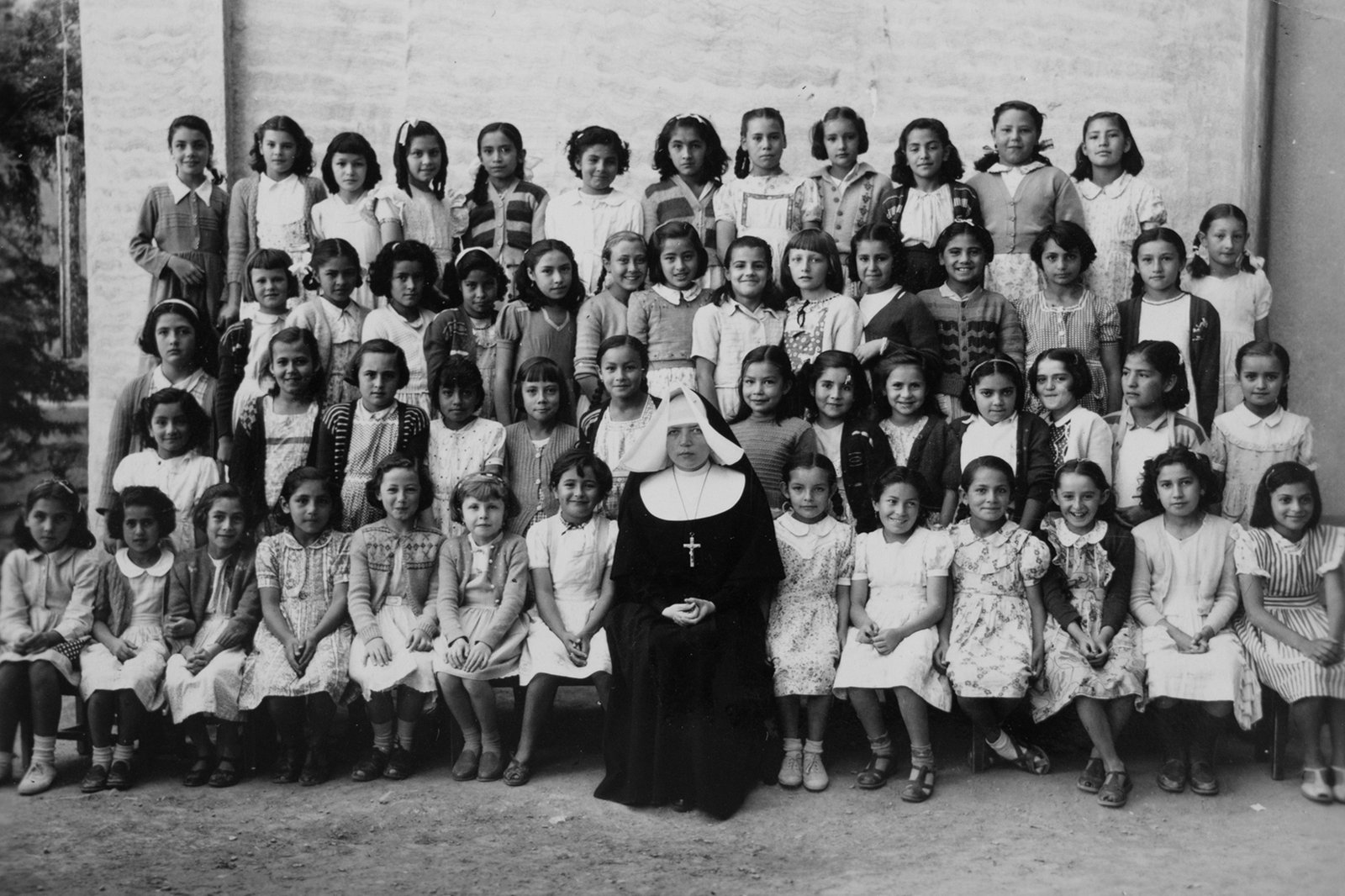
Padre began after she found letters between her late father and grandfather discussing absentee parenting and manhood. They led her to think more closely about masculinity, power and violence within her own family, before the project grew into a wider look at masculinity in Bolivia and across Latin America. A similar movement between the personal and the wider social runs through MADRE. There, Marisol used her own family album to look at Bolivia’s deep-rooted class dynamics, bringing together images of her mother and grandmother with photographs of their indigenous nannies.
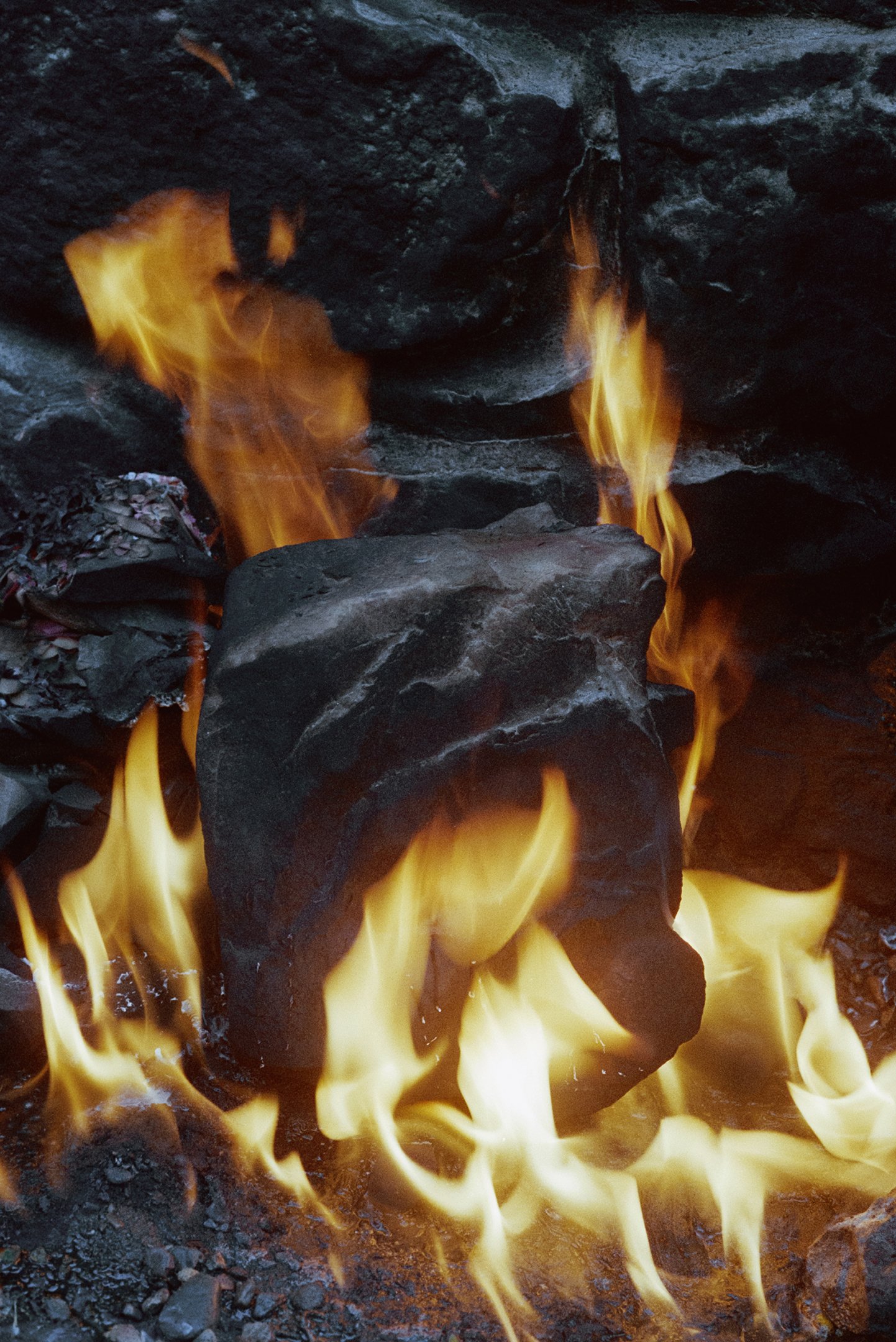
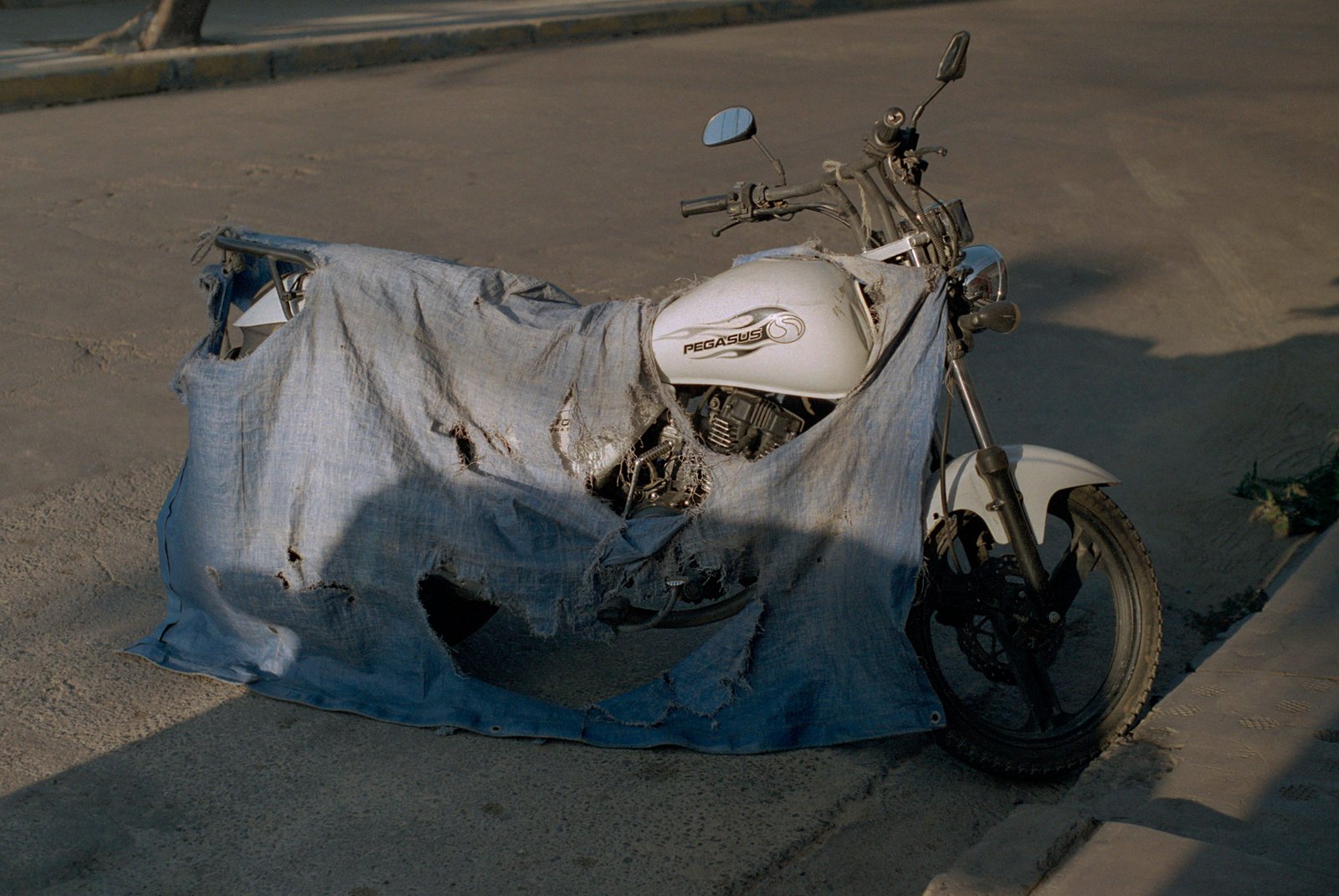
Yet in Padre, the imagery is often much starker. “I have a lot of dead animals,” she explains. “I have some images that, on purpose, I hope are a little bit harder to see.” She connects these images to her interest in how “hegemonic masculinity… is very tied to the idea of violence, to the idea of power as dominance,” yet, at the same time, the project resists singular narratives. “I had a very amazing dad,” she says. “A dad who was very present… very sensitive… very loving.”
That sense of balance led her back to her father’s words. Unlike MADRE, which included poems and essays by other writers but none of her own words, Padre incorporates emails from her father to her and her sister when they first left home to move to Buenos Aires.
“I have these very beautiful exchanges,” she says. “My dad is very sweet, very corny sometimes.” Among them are small, intimate gestures of care: “I have an email where my dad gives us… a little list of advice, ‘listen to the birds sing… don’t stress too much.’”
The decision to work with such intimate material comes naturally to her. “To me, it comes… it is very second nature,” she says. “My work is also a lot about oversharing.”
My mom gets worried,” she adds, laughing. “She’ll see a collage of my grandma with a dead bird and go, ‘What the fuck… are people gonna see this?’”
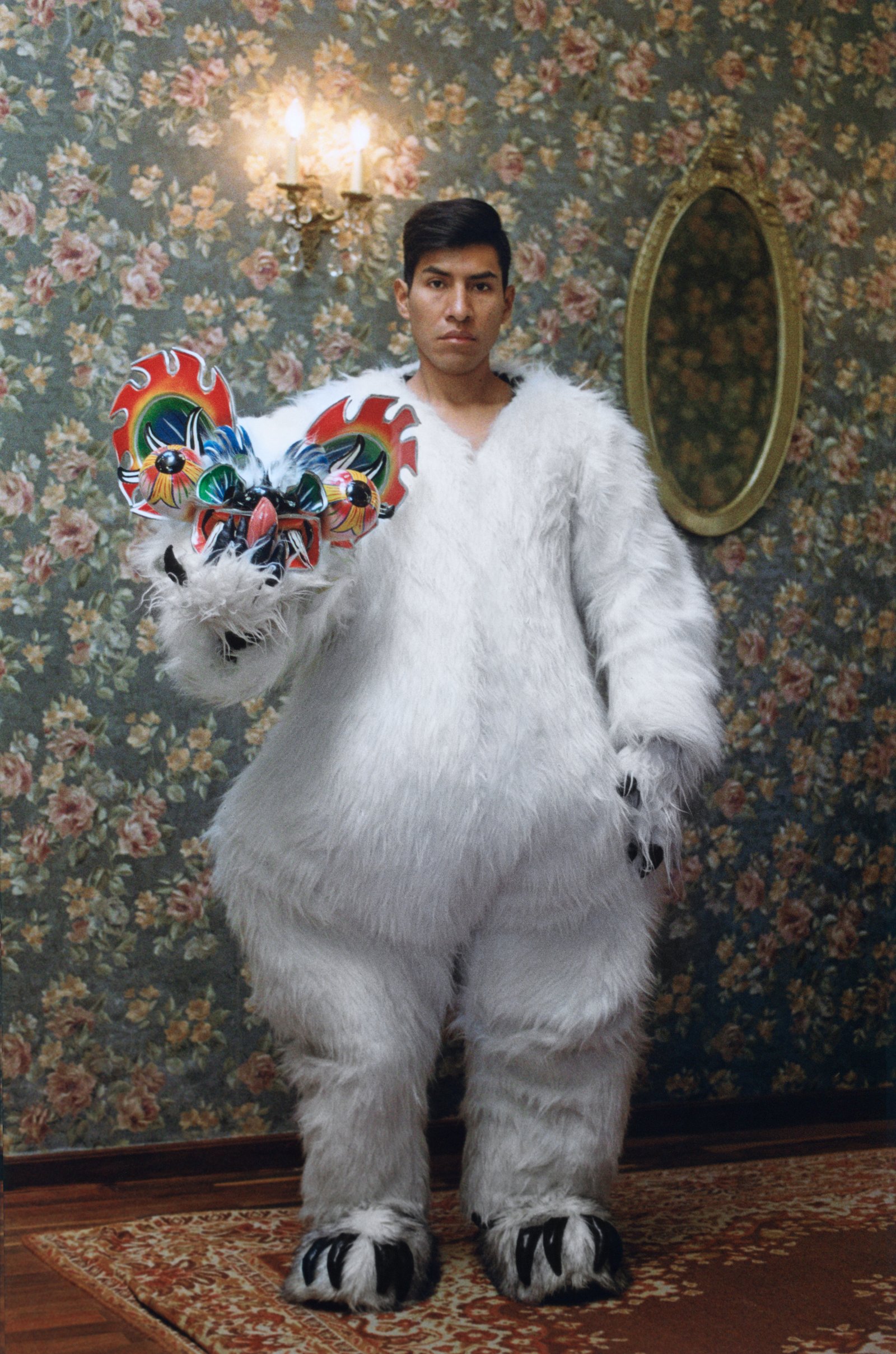
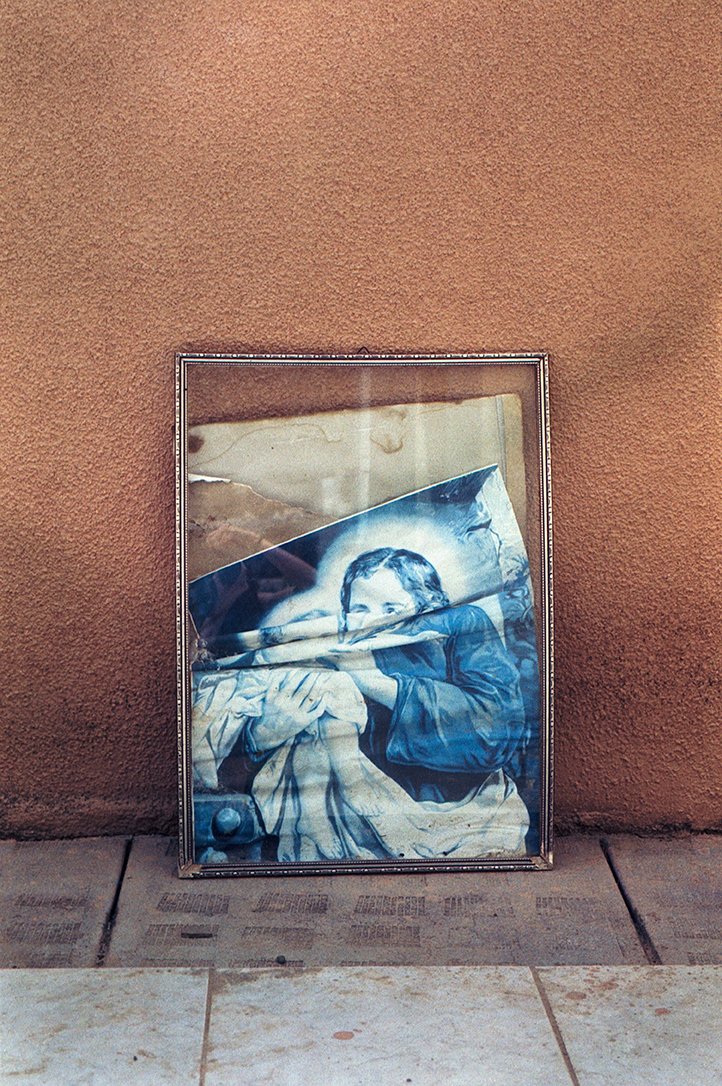
That willingness to move between different kinds of images and material also makes the work difficult to place neatly. “In documentary spaces, they say it’s too fashion,” she says. “In fashion, it’s too documentary.” She doesn’t seem particularly bothered by the distinction. “Bolivia is very syncretic,” she says. “Everything coexists, indigenous traditions, Catholicism, pop culture. It’s all layered.”
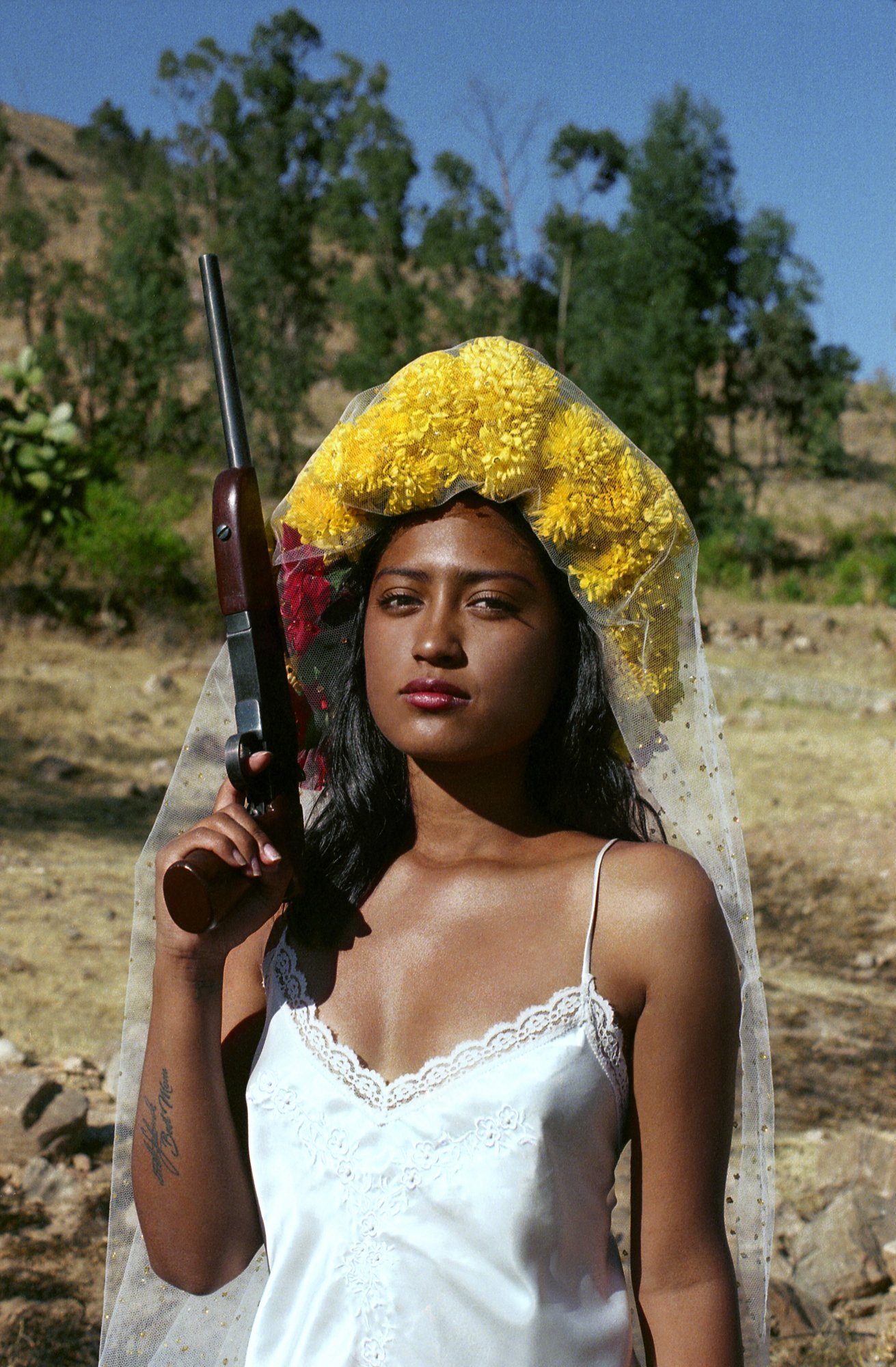
That sense of things existing side by side comes through in the photographs too. Fiction and documentary, family history and wider social questions, the tender and the disturbing can all appear within the same project. But Marisol is also aware of how quickly that complexity can be replaced by a label. As a Latin American artist, she has often found herself described through terms such as socially engaged, documentary, feminist or decolonial. She admits she has herself, in the past, fallen into the same way of thinking. Recalling an earlier interview with bemusement: “Your photography is not a decolonising tool, relax”.
Padre doesn’t reject its political or social meaning, but Marisol is wary of allowing it to become the only way the work is understood. Like the syncretic landscape she describes, violence and tenderness, power and vulnerability sit alongside one another. “I don’t want to be judgmental,” she says. “I want to present things in this spectrum.”